Table of Contents
Introduction to Tropical Barbie 1985
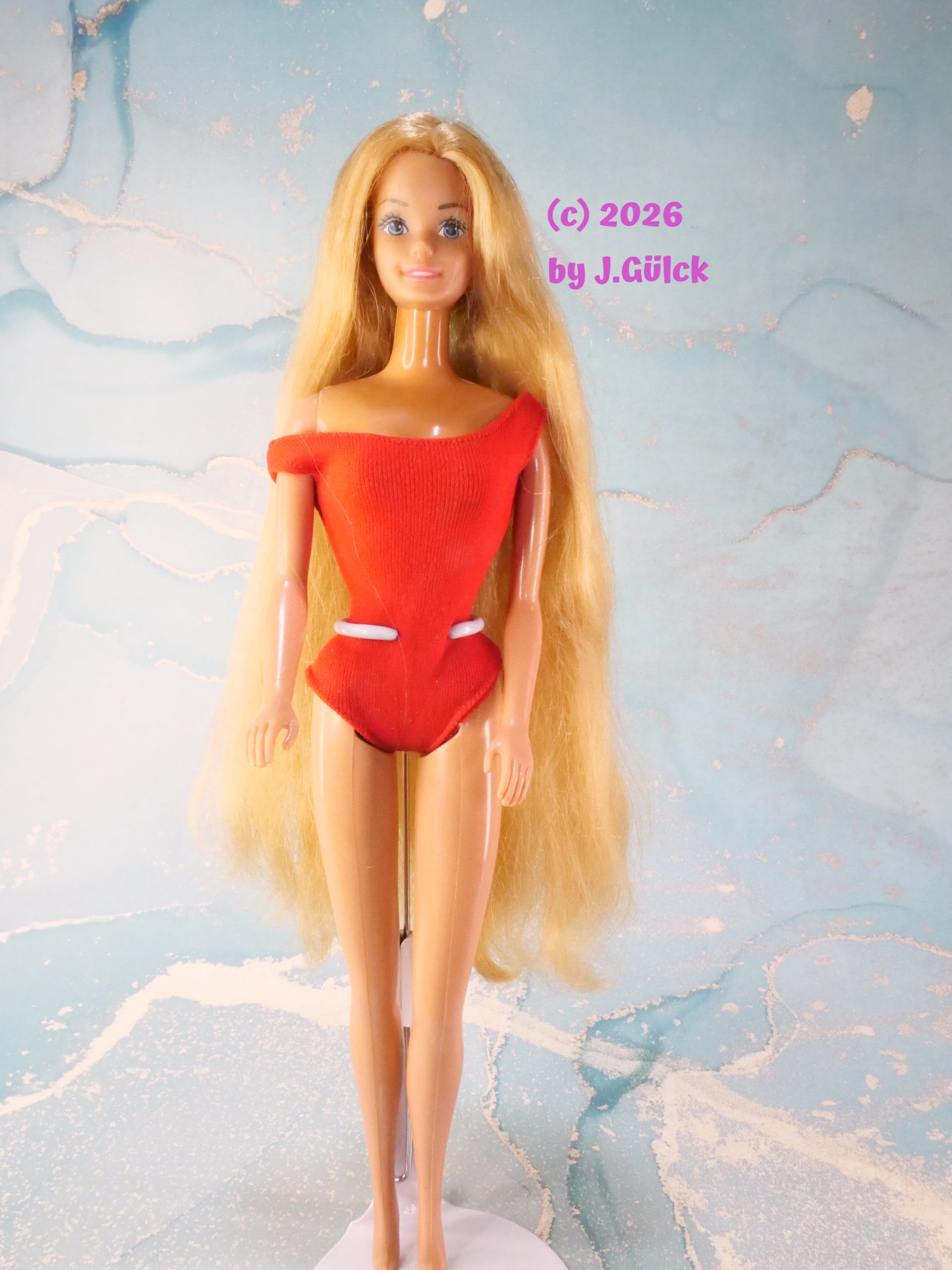
The Tropical Barbie 1985 is one of the most visually striking and beloved dolls of the 1980s. With her sun-kissed aesthetic, bold makeup, and beach-ready style, she perfectly captured the carefree spirit of tropical living. For collectors, however, her appeal goes far beyond nostalgia. What truly makes Tropical Barbie 1985 special is the surprising number of variations produced across different regions.
Many collectors may own one version, but very few have explored the subtle yet fascinating differences between them. From eye color variations to hair texture, each doll tells its own story.
Why Tropical Barbie Became Iconic
Cultural Influence in the 1980s
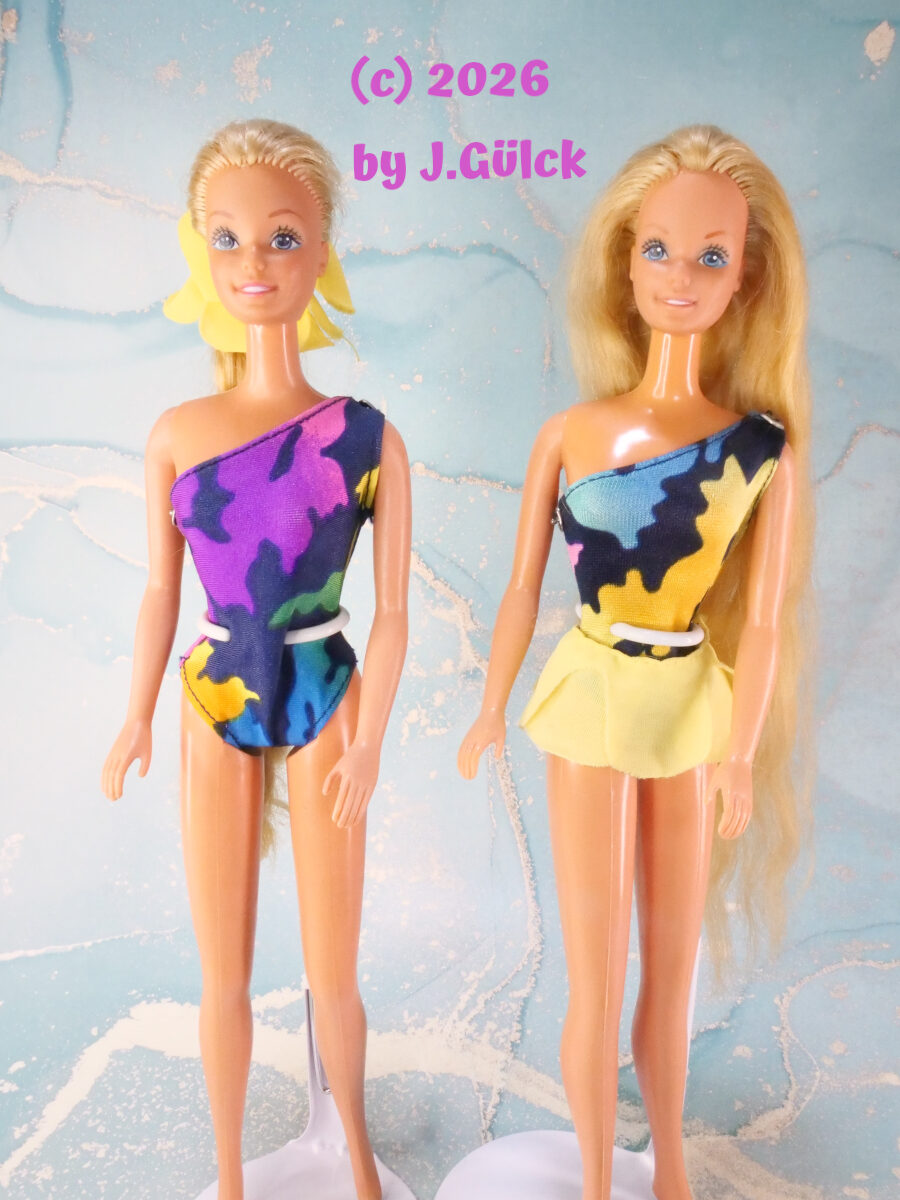
The 1980s were all about vibrant colors, bold fashion, and a growing fascination with exotic destinations. Tropical Barbie embodied this trend perfectly. She wasn’t just a doll—she represented a lifestyle.
Her bright swimsuit, glowing tan, and colorful makeup mirrored the pop culture of the time. This made her instantly recognizable and highly desirable.
Overview of Tropical Barbie 1985 Variants
American/European Market Versions
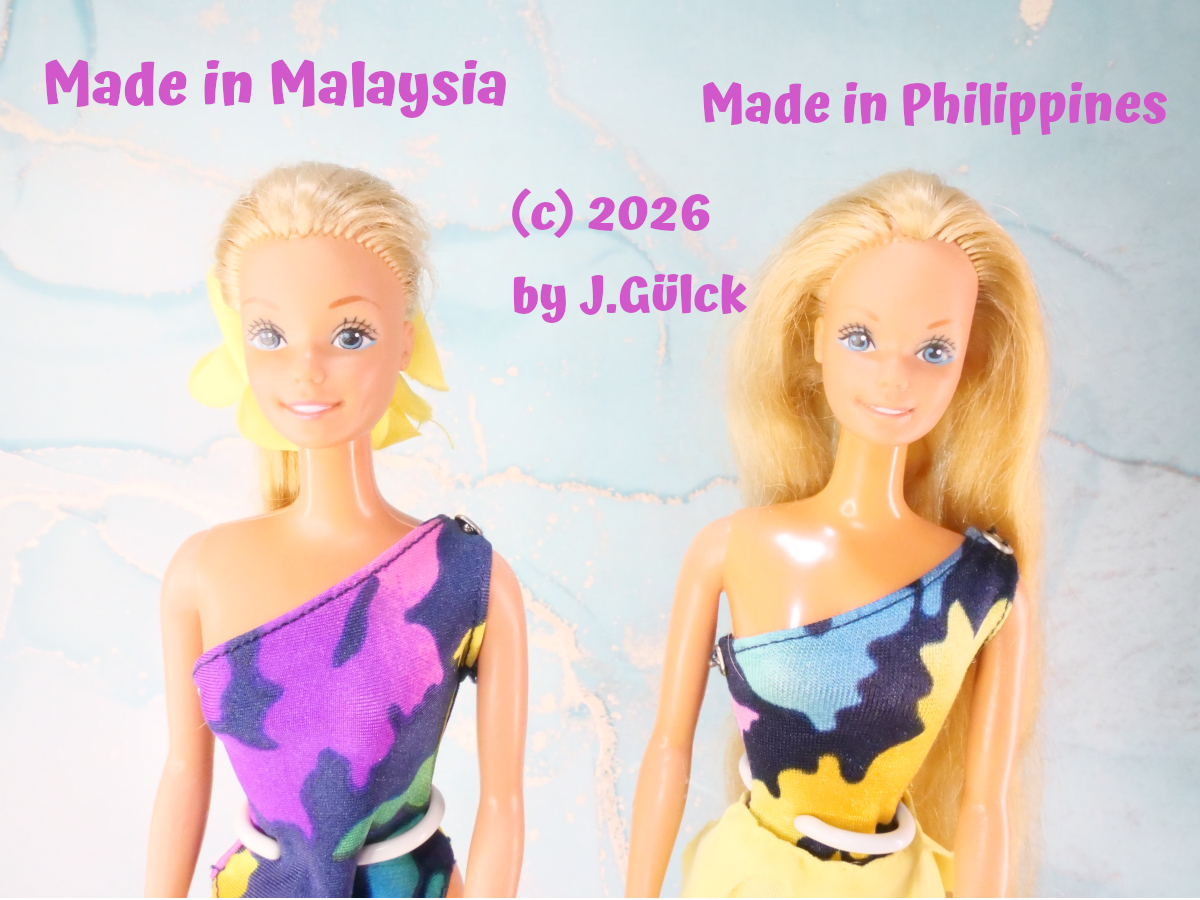
Interestingly, even within the American and European markets, there are two distinct variants of Tropical Barbie 1985.
Differences Between the Two Variants
At first glance, these dolls may look identical. However, a closer inspection reveals subtle yet meaningful differences:
- Variations in eye color shades, particularly blue tones
- Slight differences in makeup intensity
- Unique facial expressions due to paint application
These small details give each doll its own personality, making them highly collectible.
The Spanish Variant of Tropical Barbie 1985
Hair Texture and Volume Differences
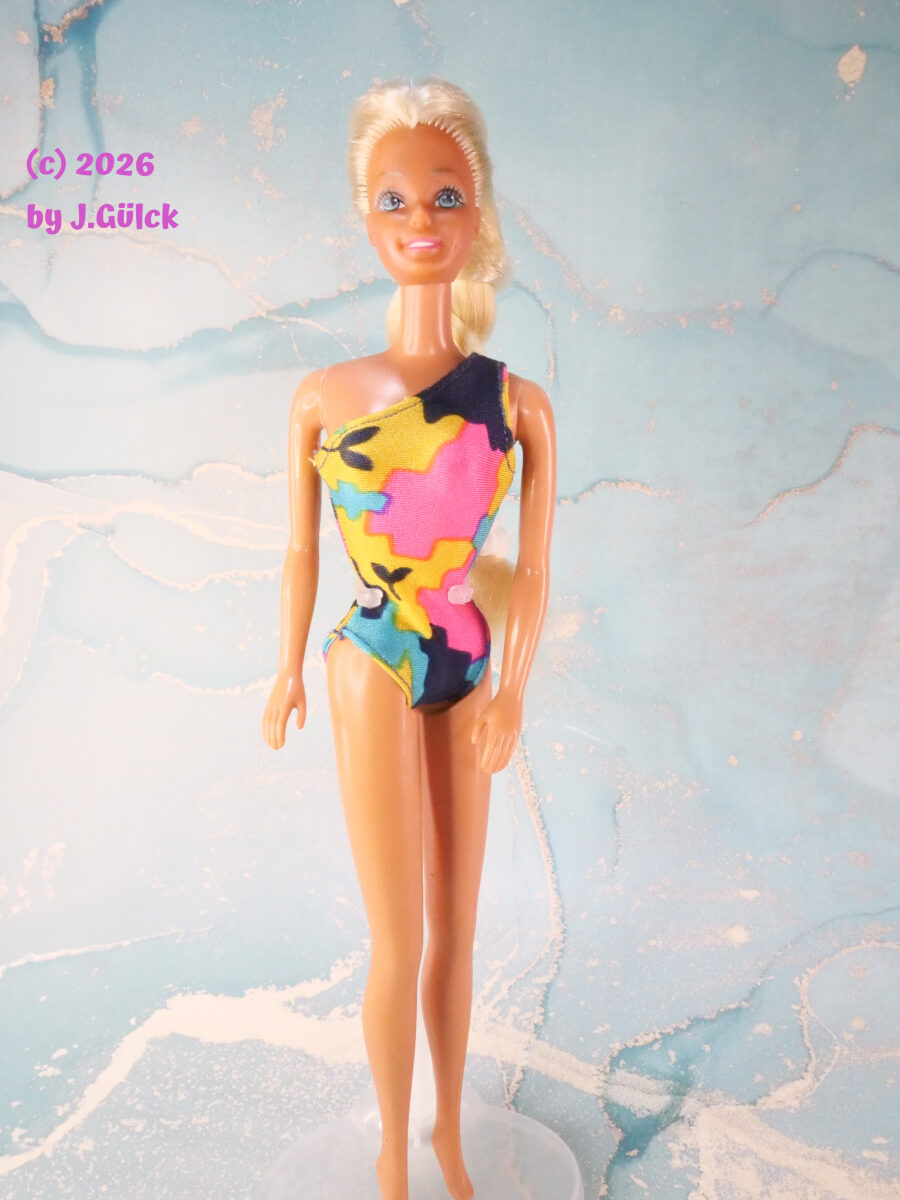
The Spanish version stands out immediately due to her extremely light and voluminous hair. Compared to other variants, her hair appears fuller and softer, giving her a distinct presence.
Visual Appeal and Rarity
Collectors often admire this version for its striking look. While not the rarest, it is certainly one of the most visually unique.
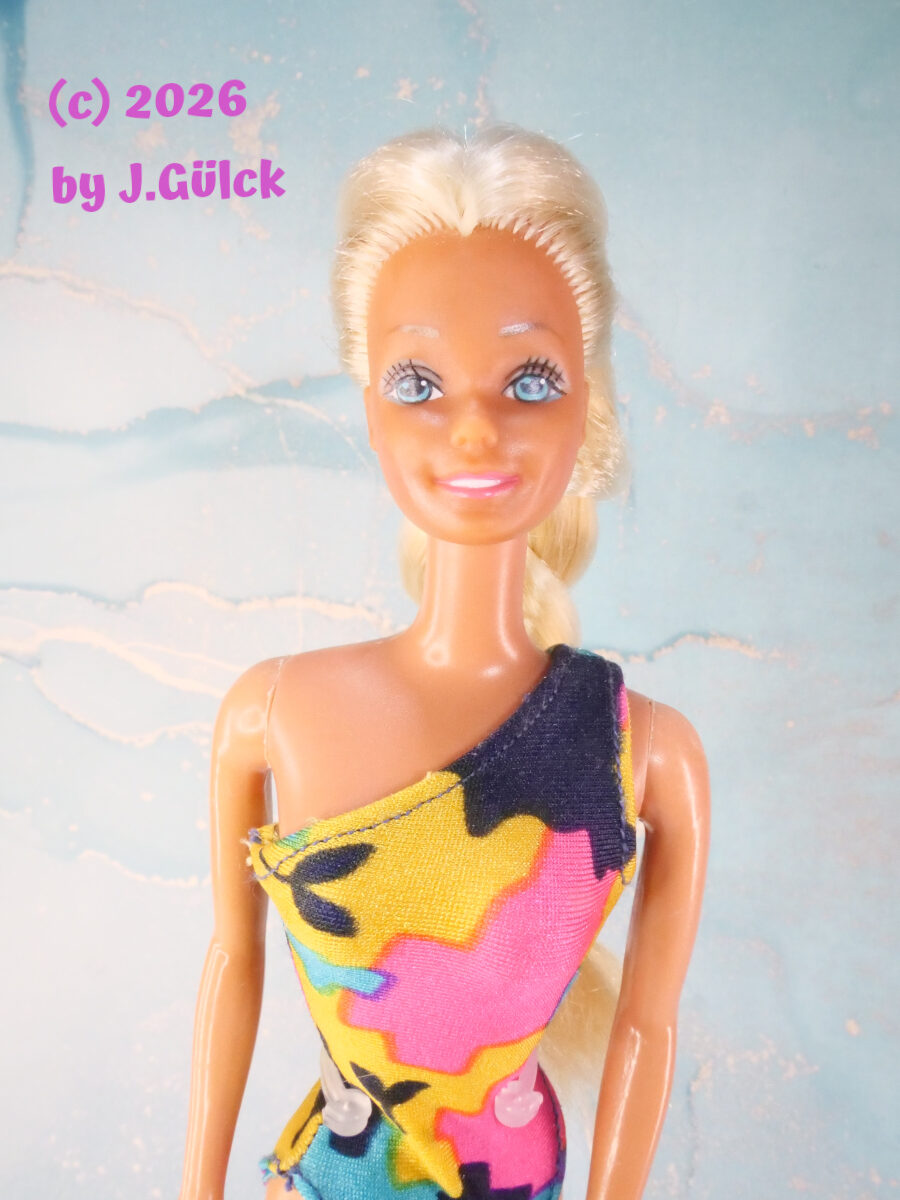
The Peruvian Variant: A Rare Treasure
Challenges in Finding This Version
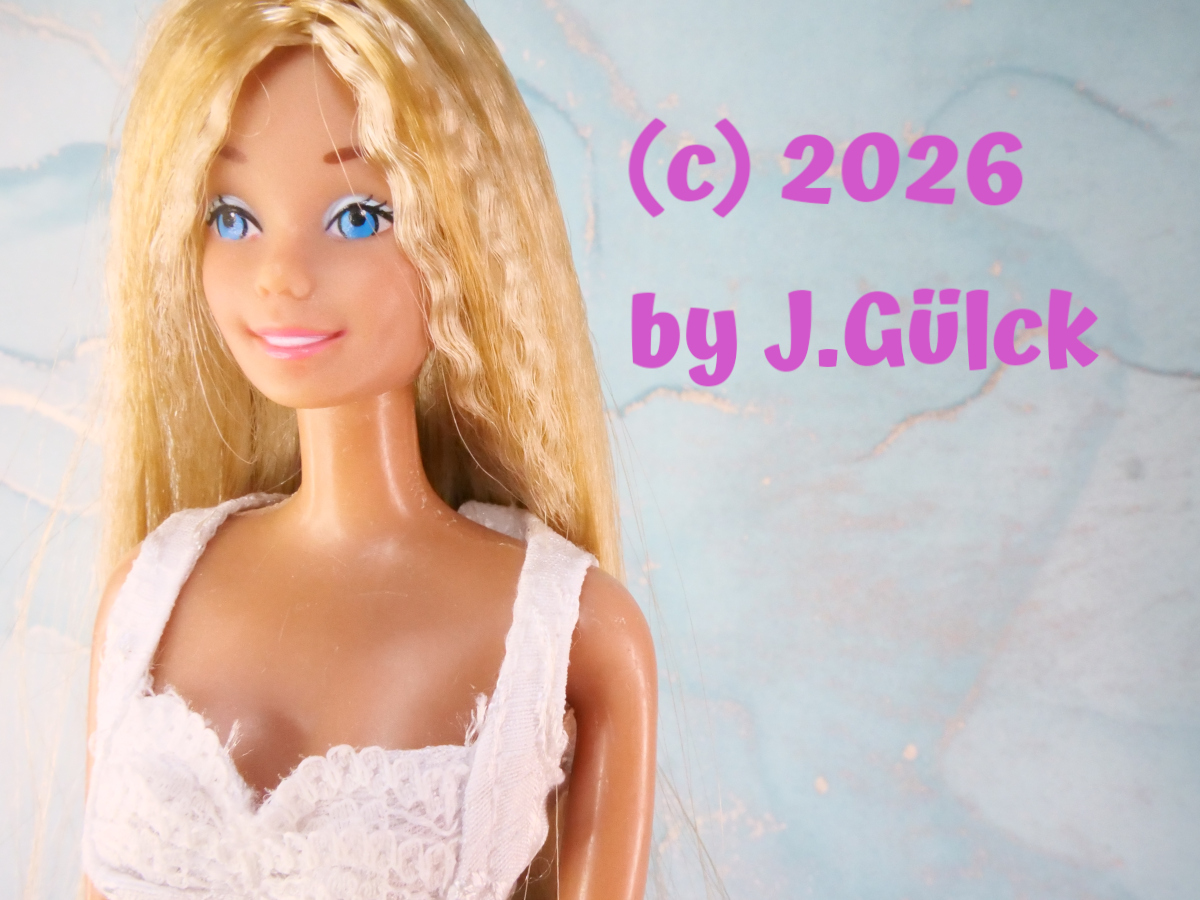
The Peruvian Tropical Barbie 1985 is exceptionally rare. Many collectors spend years searching for her without success.
The Art of Rerooting Explained
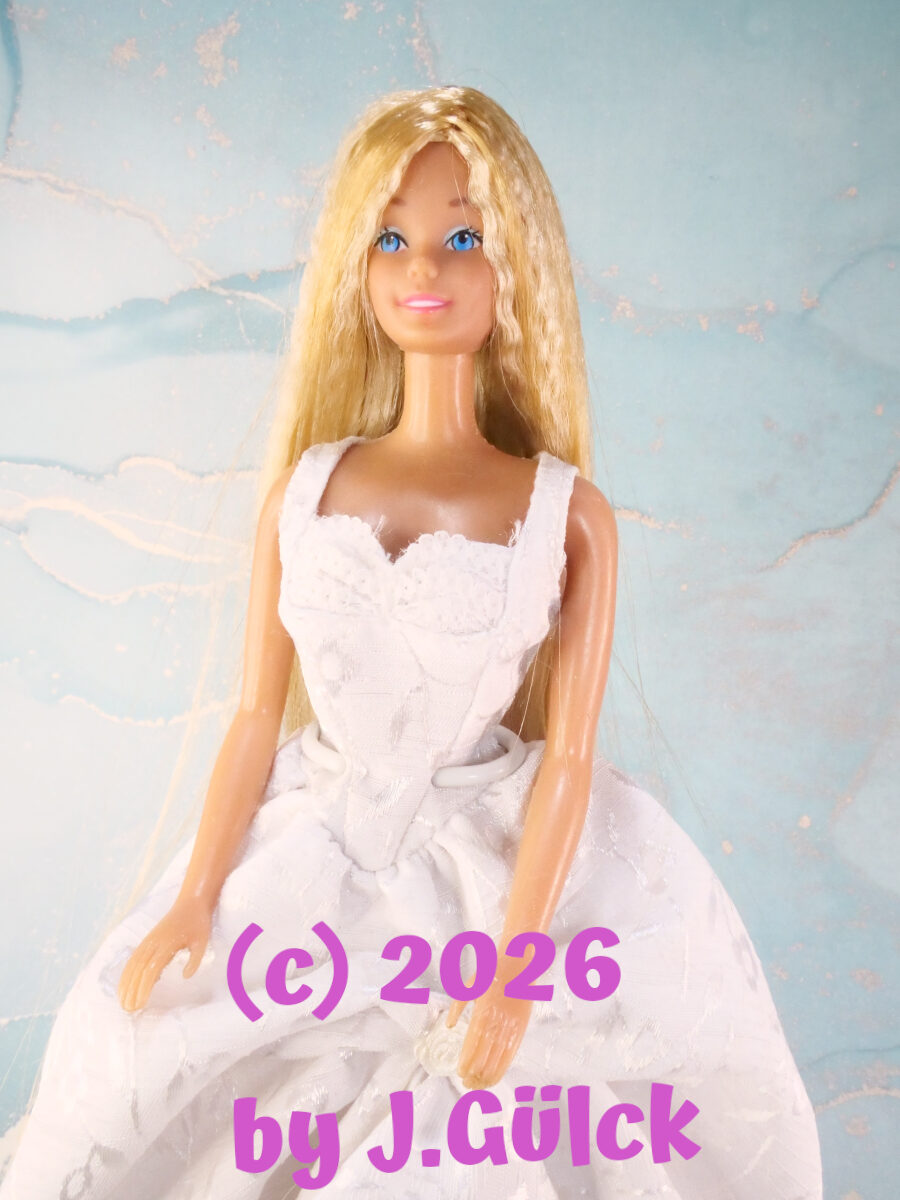
Due to age and storage conditions, some dolls—like your Peruvian version—may suffer from severe hair loss.
Rerooting involves:
- Removing damaged hair
- Inserting new strands manually
- Restoring the doll’s original beauty
Personal Experience with Rerooting
Your experience of rerooting this rare doll adds a deeply personal layer to your collection. Not only does it preserve the doll, but it also transforms it into a unique piece of art.
The Mexican Variant Discovery
Unique Features of the Mexican Release
The Mexican variant is an exciting addition to any collection. It often features:
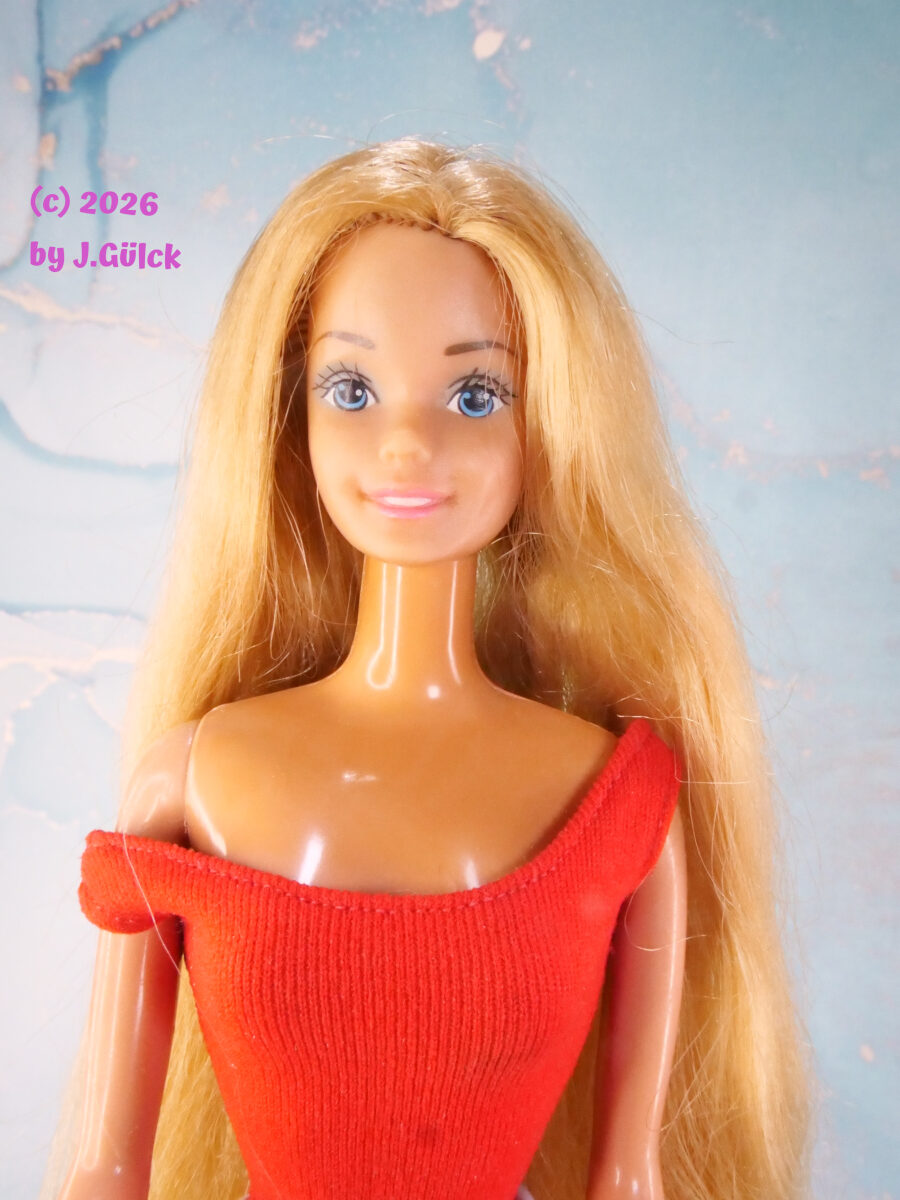
- Distinct facial screening
- Slight differences in makeup tones, less is more
- Unique production characteristics
Collector Value and Significance
Because it is less commonly found, owning this version significantly enhances the value and diversity of your collection.
Makeup Variations Across All Versions
Eye Color Differences
One of the most fascinating aspects of Tropical Barbie 1985 is the variation in eye colors. Even dolls produced for the same market can have noticeably different shades of blue.
How Makeup Changes Personality
These differences are not just cosmetic—they completely change how each doll is perceived. Some appear softer and more approachable, while others look bold and dramatic.
Why Tropical Barbie 1985 Is a Collector’s Dream
Scarcity and Demand
The existence of multiple regional variants makes collecting both exciting and challenging. Some versions are easy to find, while others are incredibly rare.
Global Production Differences
Barbie production in the 1980s often varied by country, leading to unique interpretations of the same doll.
Tips for Identifying Authentic Variants
Key Visual Markers
Look for:
- Eye color and shape
- Hair texture and volume
- Makeup details
Common Mistakes Collectors Make
- Assuming all versions are identical
- Overlooking subtle differences
- Ignoring regional production details
Caring for Vintage Barbies
Hair Restoration Techniques
Proper care can restore even heavily damaged dolls:
- Gentle washing
- Conditioning
- Rerooting when necessary
Storage and Preservation Tips
- Keep dolls away from sunlight
- Store in dry environments
- Avoid tight packaging
The Role of Customization in Collecting
Rerooting and Restyling
Customization allows collectors to:
- Preserve rare dolls
- Enhance appearance
- Create unique pieces
Ethical Considerations
While some purists prefer original condition, others see restoration as a way to extend a doll’s life.
Personal Collector Journey
Building a Unique Collection
Collecting Tropical Barbie 1985 variants is not just about ownership—it’s about discovery.
The Excitement of Rare Finds
Finding a rare version, like the Mexican or Peruvian variant, brings unmatched excitement.
FAQs About Tropical Barbie 1985
1. How many Tropical Barbie 1985 variants exist?
There are several known versions, including American, European, Spanish, Peruvian, and Mexican variants.
2. Why are some versions rarer than others?
Production quantities and regional distribution affect availability.
3. What makes the Peruvian variant special?
Its extreme rarity and limited availability make it highly sought after.
4. Is rerooting a doll acceptable for collectors?
Yes, especially for restoration, though opinions vary among collectors.
5. How can I identify different variants?
Focus on eye color, makeup, and hair differences.
6. Are these dolls increasing in value?
Yes, especially rare international versions.
Conclusion
The Tropical Barbie 1985 is far more than a nostalgic toy—it is a fascinating piece of collectible history. Each variant tells a unique story through subtle differences in makeup, hair, and production style. Whether you are a seasoned collector or just beginning your journey, exploring these variations adds depth and excitement to the hobby.
Your personal collection, especially with rare finds and restoration work, highlights just how rich and rewarding Barbie collecting can be.